
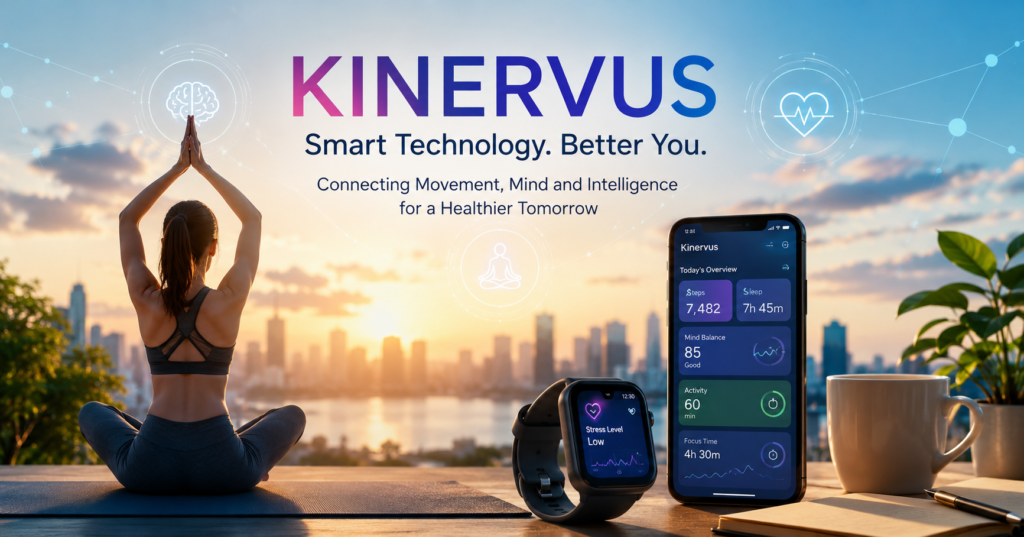

The digital world continues to evolve at a rapid pace, and new concepts are emerging that blend technology with human well-being in more thoughtful ways. One name that has recently started gaining attention is Kinervus. Although still relatively new in public discussion, the term is increasingly connected with smart wellness systems, modern health tracking, intelligent digital experiences, and advanced human-centered technology. As people search for tools that improve both productivity and personal wellness, this concept is becoming more relevant in conversations about the future of innovation.
Many modern platforms focus heavily on efficiency while ignoring emotional balance and mental comfort. That imbalance has created a growing demand for systems that understand how people actually live, work, think, and recover. Kinervus represents a direction where technology is not simply fast or automated but also adaptive, supportive, and responsive to human needs. The idea behind it combines movement, nervous system awareness, and intelligent interaction to create more balanced digital experiences.
As interest grows around smarter wellness technologies, understanding this emerging term becomes important for readers, developers, wellness professionals, and digital creators alike. Whether viewed as a platform, a concept, or a technological approach, Kinervus reflects a broader shift toward systems designed to support real people instead of overwhelming them. This article explores its meaning, relevance, practical applications, future potential, and why it is attracting attention in both technology and wellness discussions.
Also Read: Ronenia Explained: A Striking New Internet Phenomenon
Understanding the Meaning Behind Kinervus
The term Kinervus appears to combine ideas linked to movement and neurological function. The first part of the word resembles concepts connected to kinesiology or movement science, while the second part relates closely to the nervous system. Together, the name creates an identity associated with motion, awareness, mental response, and intelligent human interaction. Even though the term does not yet have one universal definition, its growing use suggests a focus on wellness-driven innovation.
In recent years, the relationship between technology and mental health has become a major topic worldwide. Many users are no longer satisfied with devices that only collect data. They want systems that understand emotional patterns, stress signals, and behavioral habits in a more meaningful way. Kinervus reflects this transition by representing a model where digital tools become more connected to the way humans naturally function and recover throughout daily life.
The appeal of this concept also comes from its flexibility. It can apply to wearable technology, wellness platforms, digital health applications, smart productivity tools, or even AI-driven personal support systems. Because the term is broad yet modern, it gives businesses and innovators room to shape unique solutions around human-centered experiences rather than purely technical performance.
Why Human-Centered Technology Matters Today
Modern life is filled with constant notifications, screen exposure, and digital pressure. Many people struggle with burnout, anxiety, poor sleep, and information overload because technology often demands attention without considering human limitations. This challenge has pushed developers and wellness experts to rethink how digital experiences should function. Instead of creating systems that simply maximize engagement, many are now trying to build environments that encourage healthier interaction patterns.
Human-centered technology focuses on comfort, adaptability, and emotional awareness. It aims to support users rather than exhaust them. Kinervus fits naturally into this movement because it emphasizes a balance between innovation and well-being. The growing popularity of mindfulness apps, fitness trackers, mental wellness tools, and adaptive interfaces shows that users increasingly value systems that respect their mental and physical health.
Businesses are also recognizing that healthier users tend to remain more loyal and satisfied over time. Platforms that encourage sustainable habits often build stronger trust with audiences. As digital fatigue becomes more common, concepts like Kinervus may become essential for companies that want to create meaningful long-term relationships with users rather than temporary attention spikes.
The Connection Between Wellness and Smart Systems
Technology is no longer limited to communication and entertainment. It now plays a major role in physical health, emotional management, workplace productivity, and lifestyle improvement. Smart systems can monitor sleep patterns, track movement, identify stress indicators, and even provide recommendations based on behavioral trends. This evolution has opened the door for concepts like Kinervus to gain recognition as part of the wellness technology movement.
The relationship between wellness and intelligent systems depends heavily on personalization. People respond differently to stress, workload, and digital environments. Systems that can adapt to those differences create more meaningful experiences. A wellness-focused platform inspired by Kinervus principles would likely prioritize flexibility, comfort, and individual behavioral understanding instead of relying on one universal approach.
One reason this area continues to expand is because people increasingly want technology that improves quality of life instead of distracting from it. Smart wellness tools are becoming part of everyday routines in homes, offices, schools, and healthcare environments. This shift suggests that future digital products may focus less on raw functionality and more on emotional intelligence and behavioral support.
How Kinervus Could Influence Future Innovation
Future innovation is expected to become far more personalized than ever before. Artificial intelligence, biometric tracking, and behavioral analysis are already transforming how systems interact with users. Kinervus could become part of this next-generation approach by representing technologies that respond dynamically to physical and emotional conditions in real time. Such systems may eventually adapt screen brightness, task recommendations, notifications, and user interfaces according to stress or focus levels.
The workplace may also benefit from this direction. Employees often experience mental exhaustion due to overwhelming digital workflows. A wellness-oriented system could help reduce unnecessary interruptions, encourage healthy routines, and support concentration more effectively. This type of adaptive environment may improve both productivity and employee satisfaction simultaneously.
Education represents another area where these ideas could grow significantly. Students face constant information exposure and increasing academic pressure. Intelligent systems that understand attention patterns and emotional fatigue could help create healthier learning experiences. Rather than replacing human interaction, technologies inspired by Kinervus principles may support teachers and learners by reducing stress and improving engagement.
The Role of Artificial Intelligence in Kinervus
Artificial intelligence has become one of the most influential forces in modern technology. It powers recommendation engines, virtual assistants, automation systems, and predictive tools across nearly every industry. In a concept like Kinervus, AI would likely play a central role in understanding user behavior and adapting experiences accordingly. Instead of treating every person the same way, AI allows systems to learn individual patterns over time.
This personalized approach can improve wellness applications significantly. For example, intelligent systems might recognize changes in sleep quality, productivity habits, or emotional responses and then provide useful suggestions based on those observations. Such interactions create experiences that feel more supportive and natural rather than mechanical and repetitive.
The growing importance of ethical AI also connects strongly with this concept. Users are becoming more concerned about privacy, transparency, and digital trust. Any platform connected with wellness must handle personal information responsibly. Future systems inspired by Kinervus ideas would likely need to focus heavily on user safety, emotional respect, and clear communication about how data is used.
Practical Applications of Kinervus Concepts
The flexibility of this concept allows it to fit into many different industries and technologies. Healthcare systems may use similar approaches to monitor patient recovery, stress management, or rehabilitation progress. Wellness apps can integrate adaptive recommendations that respond to user behavior and emotional patterns. Smart office environments might adjust lighting, sound, and notifications to improve concentration and reduce fatigue.
Wearable devices represent another major opportunity. Modern smartwatches already track heart rate, sleep, movement, and physical activity. Future systems could combine this information with emotional analysis to provide more complete wellness guidance. Instead of only counting steps or calories, these tools may eventually help users understand energy levels, stress triggers, and recovery needs more accurately.
The entertainment industry may also explore these ideas. Streaming platforms, gaming environments, and interactive media could adapt experiences based on user reactions and comfort levels. This would create more immersive and personalized digital interactions that feel less generic and more emotionally responsive.
| Area of Use | Possible Benefits |
|---|---|
| Healthcare | Better patient monitoring and recovery support |
| Wearable Devices | Personalized wellness insights |
| Workplace Systems | Reduced stress and improved focus |
| Education Platforms | Smarter learning experiences |
| Entertainment Media | Adaptive and engaging interactions |
Why People Are Interested in Kinervus
Interest in this concept continues to grow because people are searching for healthier relationships with technology. Many users feel overwhelmed by constant digital demands and want systems that work with human behavior rather than against it. Kinervus represents an idea that technology can become more compassionate, adaptive, and supportive without losing efficiency.
The name itself also carries a modern and futuristic appeal. It sounds innovative while still suggesting a strong connection to wellness and intelligence. Brands and developers are increasingly drawn to names that communicate both technical advancement and human awareness. This balance makes the term memorable and versatile across different industries.
Another reason for growing attention is the broader cultural shift toward mental wellness. Conversations about stress, emotional burnout, digital addiction, and work-life balance are becoming more common worldwide. Technology companies are responding by exploring ways to create healthier digital environments. As a result, concepts associated with emotional intelligence and human-centered design are gaining stronger recognition.
Also Read: Conchiglie: A Complete Guide to Italy’s Famous Shell Pasta
Challenges That Could Affect Its Growth
Despite its potential, there are several challenges that could influence how widely this concept develops. One major issue is privacy. Systems that analyze emotional states or behavioral patterns require sensitive information. Users may hesitate to trust platforms that collect deeply personal data without clear protection standards and transparent communication.
Another challenge involves accessibility. Advanced wellness technology can sometimes become expensive or limited to premium markets. If systems inspired by Kinervus principles are only available to certain groups, they may struggle to create broad social impact. Affordable and inclusive design will be important for long-term growth and acceptance.
There is also the challenge of balancing automation with genuine human connection. While intelligent systems can provide support and recommendations, they cannot fully replace empathy, relationships, or professional healthcare guidance. Developers must ensure that technology enhances human well-being without creating unhealthy dependence or emotional isolation.
The Future Outlook for Kinervus
The future of digital wellness appears increasingly connected to personalization, emotional awareness, and adaptive technology. As artificial intelligence becomes more advanced, systems will likely become better at understanding how people think, feel, and respond in different environments. Kinervus aligns closely with this future because it represents a direction where innovation supports mental clarity and healthier interaction patterns.
Businesses across technology, healthcare, education, and wellness industries may continue exploring similar ideas in coming years. The demand for calmer, smarter, and more balanced digital experiences is unlikely to disappear. Instead, it may become one of the defining expectations users have for future products and services.
The concept also reflects a larger philosophical shift in technology design. Instead of asking how systems can demand more attention from users, developers are beginning to ask how technology can improve daily life more responsibly. This transition may ultimately shape the next generation of digital platforms, applications, and intelligent environments.
Conclusion
Kinervus represents more than just a modern keyword. It symbolizes a growing movement toward technology that respects human well-being, emotional balance, and adaptive interaction. As digital experiences become increasingly integrated into everyday life, users are searching for systems that feel supportive rather than overwhelming. This concept captures that desire by connecting innovation with wellness-focused thinking.
The increasing interest in smart wellness tools, emotional intelligence systems, and personalized digital experiences suggests that ideas linked to Kinervus may continue expanding across multiple industries. From healthcare and education to workplace environments and wearable technology, the possibilities are broad and evolving. Its appeal lies in the promise of creating technology that works alongside human needs instead of competing against them.
While challenges such as privacy, accessibility, and ethical development remain important, the overall direction points toward more thoughtful and balanced innovation. Whether Kinervus eventually becomes a major platform, a recognized framework, or simply a symbolic term for human-centered technology, it reflects an important shift in how people want to interact with the digital world in the years ahead.
FAQs
1. What does Kinervus mean?
Kinervus appears to combine ideas related to movement and the nervous system, often associated with smart wellness technology and adaptive digital experiences.
2. Is Kinervus a real platform or just a concept?
Currently, the term is used in different ways online, including wellness-related ideas, technology concepts, and digital health discussions.
3. How is Kinervus connected to artificial intelligence?
Artificial intelligence can support systems inspired by Kinervus by analyzing behavior, adapting experiences, and providing personalized wellness recommendations.
4. Why are people interested in wellness-focused technology?
Many users want healthier digital experiences that reduce stress, improve focus, and support emotional well-being instead of increasing digital fatigue.
5. Could Kinervus influence future technology trends?
Yes, concepts connected to adaptive wellness systems and human-centered innovation may shape future developments in healthcare, education, workplaces, and smart devices.