
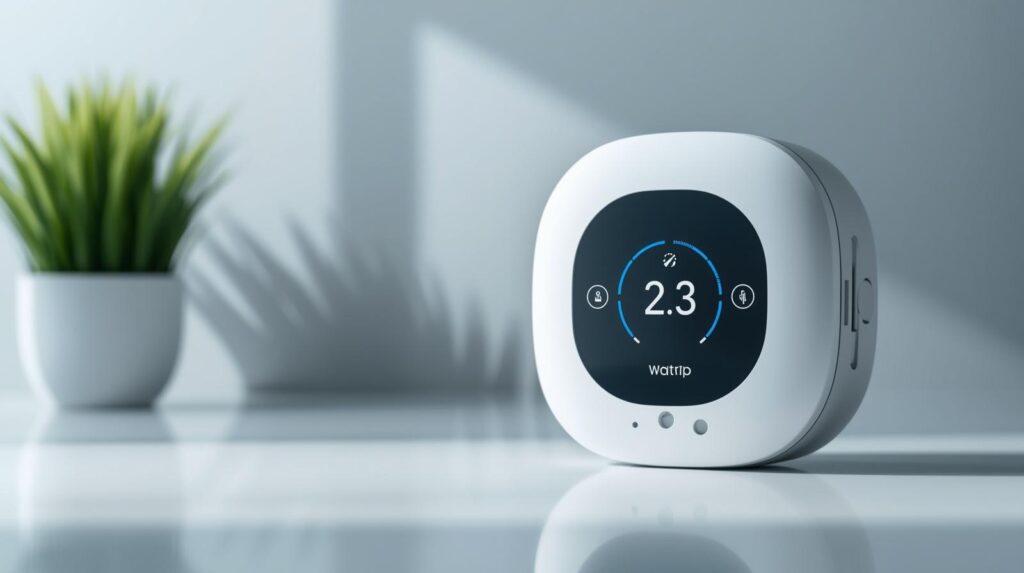

Energy consumption has become one of the most important concerns in modern homes and businesses. As electricity demand continues to rise, people are searching for better ways to monitor and control how energy is used. Digital technology has made it possible to track electricity consumption in real time, helping individuals understand their usage patterns and reduce unnecessary waste. In this evolving landscape, Wattip has emerged as a smart solution designed to provide clear insights into energy usage.
Many households receive electricity bills without fully understanding which devices are responsible for high consumption. Traditional monitoring systems only show total usage after a billing cycle, which makes it difficult to identify inefficiencies. By providing immediate visibility into power usage, Wattip allows users to make informed decisions about how they manage electricity.
With growing awareness about sustainability and rising energy costs, intelligent monitoring tools are becoming essential. Systems like Wattip help individuals and organizations adopt more efficient habits, reduce expenses, and support environmentally responsible energy consumption.
Understanding the Concept of Wattip
Smart energy monitoring systems are designed to provide transparency into electricity consumption. Wattip represents a modern approach to this concept by combining hardware sensors with advanced digital analytics. The system measures energy flow and presents usage data through a digital interface that is easy to understand.
Instead of relying on delayed information from monthly electricity bills, users can observe their energy usage instantly. This visibility allows them to identify appliances that consume large amounts of electricity and adjust their behavior accordingly. By offering detailed data insights, Wattip empowers users to make smarter decisions about energy management.
Another important aspect of Wattip is its ability to analyze consumption patterns. The system collects data continuously and converts it into meaningful reports, graphs, and insights. These visual tools help users quickly recognize trends and take action to improve efficiency.
Why Smart Energy Monitoring Is Becoming Essential
The modern world depends heavily on electricity. Homes contain numerous electronic devices including computers, air conditioners, televisions, and kitchen appliances. While these technologies increase comfort and convenience, they also increase energy consumption.
At the same time, electricity costs are rising in many regions. Households and businesses often struggle to understand why their energy bills continue to increase. Without detailed information, it becomes difficult to identify which devices or habits are responsible for high electricity usage.
Environmental concerns are another important factor. Reducing energy waste plays a significant role in lowering carbon emissions and protecting natural resources. By helping people understand their electricity consumption patterns, Wattip encourages more responsible energy usage and supports sustainability efforts.
How Wattip Works
Modern energy monitoring systems rely on a combination of hardware and software to track electricity consumption. Wattip begins with the installation of a monitoring device that connects to the electrical infrastructure of a home or building.
This monitoring unit measures the flow of electricity passing through the system. The collected data is transmitted to a digital platform where it is processed and analyzed. Users can access this information through a mobile application or web-based dashboard.
The system operates through three primary stages:
• Energy sensors collect real-time electricity usage data
• Software analyzes consumption patterns and identifies trends
• Visual dashboards display energy insights for users
These steps allow Wattip to provide continuous feedback about electricity consumption. Instead of waiting for monthly reports, users receive immediate insights that help them adjust their energy habits.
Core Features of Wattip
Advanced energy monitoring systems include several features designed to simplify electricity management. Wattip incorporates multiple tools that help users track, analyze, and optimize their power consumption.
One of the most valuable features is real-time monitoring. Users can instantly see how much electricity their home or office is consuming at any moment. This immediate visibility makes it easier to detect wasteful energy usage.
Another important feature is appliance-level tracking. The system can identify which devices contribute most to electricity consumption. This information allows users to focus on the areas where energy savings can have the greatest impact.
Additional features often include:
• Visual dashboards showing detailed energy reports
• Historical data tracking for long-term analysis
• Alerts for unusual energy spikes
• Integration with smart home devices
• Cloud-based storage for energy data
These features allow Wattip to function as more than just a monitoring tool. It becomes an intelligent platform for managing electricity consumption efficiently.
Benefits of Using Wattip
Understanding electricity usage can significantly improve energy management. By providing detailed insights, Wattip offers several advantages for both households and organizations.
One of the most noticeable benefits is cost reduction. When users understand how their devices consume electricity, they can eliminate unnecessary usage and reduce monthly utility expenses. Small adjustments such as switching off idle devices can produce meaningful savings.
Another major benefit is improved energy efficiency. By identifying inefficient appliances or outdated equipment, users can upgrade to more energy-efficient alternatives. Over time, these improvements contribute to lower energy consumption and better system performance.
Environmental sustainability is also an important advantage. Reducing electricity usage lowers the demand for energy production, which can decrease greenhouse gas emissions. Through responsible monitoring and management, Wattip supports a more sustainable approach to energy consumption.
Wattip in Smart Homes
Smart homes are becoming increasingly common as technology continues to integrate into daily life. Automated lighting systems, connected appliances, and intelligent climate control systems offer greater convenience and comfort.
However, these technologies can also increase electricity consumption if they are not properly managed. Wattip helps homeowners monitor how these devices influence energy usage throughout the day. By observing real-time data, users can identify which systems consume the most power.
For example, heating and cooling systems often represent the largest portion of household electricity consumption. By monitoring their usage patterns, homeowners can adjust thermostat settings and optimize automation routines. As a result, Wattip allows smart homes to become both convenient and energy efficient.
Wattip for Businesses and Commercial Spaces
Businesses typically consume larger amounts of electricity compared to residential environments. Office buildings, factories, and commercial facilities rely on multiple systems including lighting, machinery, computers, and climate control equipment.
Energy monitoring systems help organizations track how electricity is used across different departments or operational processes. By identifying equipment that consumes excessive power, companies can make strategic decisions to improve efficiency.
Wattip also supports sustainability initiatives within organizations. Many businesses now prioritize environmental responsibility as part of their corporate strategy. Monitoring electricity consumption allows them to measure progress toward energy reduction goals and demonstrate responsible resource management.
Wattip and Renewable Energy Systems
Renewable energy sources such as solar panels are becoming increasingly popular. However, managing energy generated from renewable sources requires accurate monitoring of both production and consumption.
Wattip allows users to observe how much electricity their renewable systems produce and how much energy they consume. This information helps balance energy usage with generation levels.
For example, households with solar panels can schedule energy-intensive activities when solar production is highest. This practice maximizes the benefits of renewable energy and reduces reliance on traditional electricity sources.
By supporting efficient energy distribution, Wattip plays an important role in modern renewable energy management.
Real-World Applications of Wattip
Energy monitoring systems can be used in many different environments. Homes, offices, factories, and educational institutions all benefit from improved visibility into electricity usage.
Households use Wattip to manage daily energy consumption and reduce electricity bills. By understanding how appliances operate throughout the day, families can adopt more efficient habits.
Commercial buildings use energy monitoring systems to control lighting, heating, and cooling systems more effectively. Industrial facilities also rely on monitoring tools to track machine performance and detect inefficiencies.
These practical applications demonstrate how Wattip can support better energy management across multiple sectors.
The Future of Wattip and Smart Energy Technology
The future of energy monitoring will likely involve even more advanced technologies. Artificial intelligence and predictive analytics are already being explored to improve how energy systems operate.
Future monitoring platforms may analyze historical consumption patterns to predict future energy demand. This information could help users optimize electricity usage before costs increase.
Smart cities may also integrate advanced monitoring tools to manage energy consumption across entire communities. Through coordinated systems, cities could balance energy demand more efficiently and reduce environmental impact.
As digital technology continues to evolve, Wattip may play an important role in shaping the future of intelligent energy management.
Conclusion
Energy awareness has become essential in a world where electricity consumption continues to increase. Understanding how energy is used allows individuals and organizations to make better decisions that improve efficiency and reduce costs.
Wattip offers a modern solution by providing real-time insights into electricity usage. Through advanced monitoring and data analysis, it helps users identify inefficiencies, reduce waste, and adopt smarter energy habits.
As smart technologies and renewable energy systems continue to expand, tools like Wattip will become increasingly valuable. By combining digital innovation with practical energy management, it contributes to a more efficient and sustainable energy future.
FAQs
What is Wattip?
Wattip is a smart energy monitoring system that tracks electricity usage in real time and provides insights that help users manage energy consumption more efficiently.
How does Wattip help reduce electricity bills?
By identifying which appliances use the most power, Wattip helps users adjust their energy habits and eliminate unnecessary electricity usage.
Can Wattip be used in businesses?
Yes, Wattip can be used in offices and commercial buildings to monitor energy consumption and improve operational efficiency.
Does Wattip work with solar energy systems?
Yes, the system can monitor both energy production and consumption, helping users optimize renewable energy usage.
Is Wattip difficult to install?
Most energy monitoring systems are designed for easy installation and can connect directly to a building’s electrical panel or smart meter.