
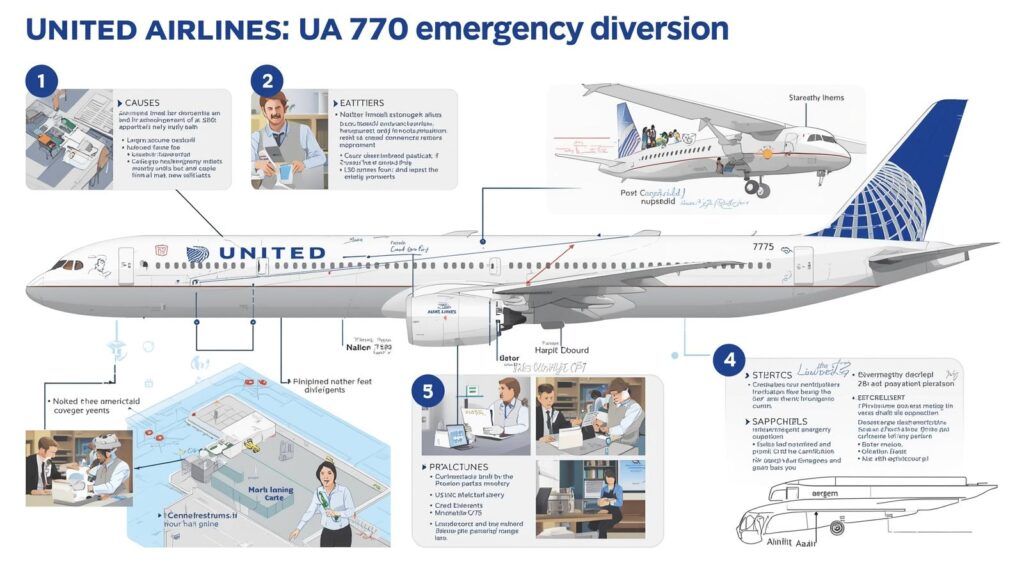

Air travel is widely regarded as one of the safest modes of transportation, thanks to strict protocols and advanced technology. However, unexpected situations can arise, requiring immediate action. The United Airlines Flight UA770 emergency diversion is a compelling example of how the aviation industry prioritizes passenger safety above all else.
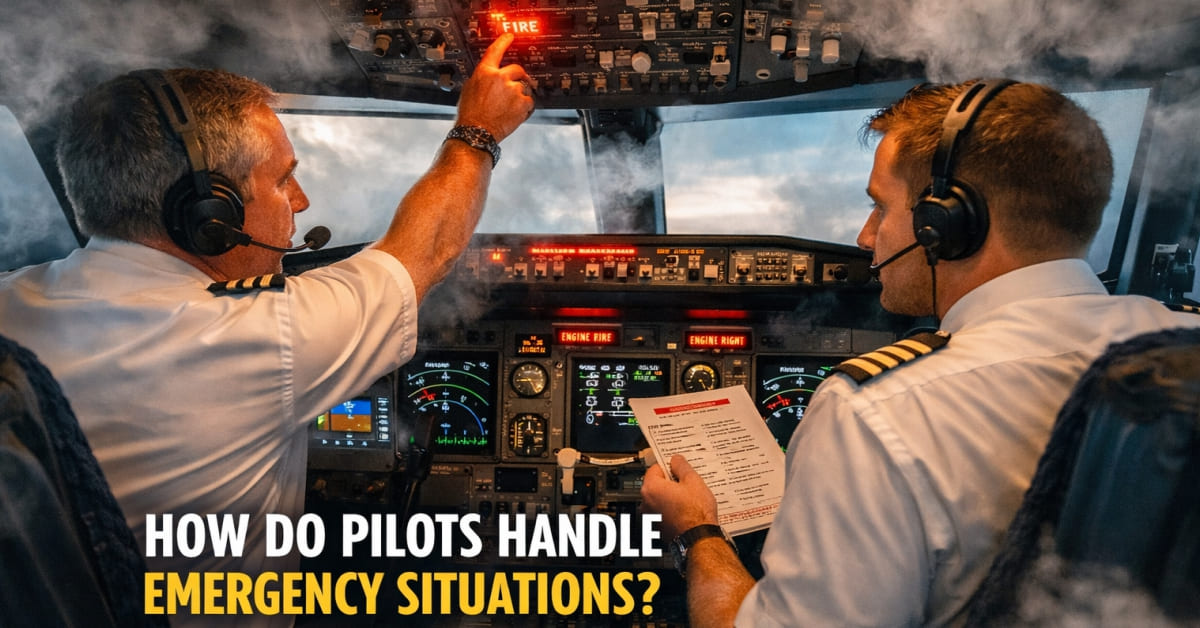
This incident highlights the coordination between pilots, cabin crew, and ground teams when a flight must change course unexpectedly. Understanding what happened during the United Airlines Flight UA770 emergency diversion provides valuable insight into aviation safety systems and real-time decision-making.
What Is an Emergency Diversion in Aviation
An emergency diversion occurs when a flight is rerouted to an alternate airport due to a situation that could compromise safety. Unlike routine diversions caused by minor delays or operational issues, emergency diversions require immediate attention and swift execution.
Common triggers include medical emergencies, mechanical irregularities, severe weather conditions, or security concerns. In the case of the United Airlines Flight UA770 emergency diversion, the event was initiated after a technical anomaly was detected during flight operations, prompting immediate evaluation and action .
Causes Behind the UA770 Diversion
The United Airlines Flight UA770 emergency diversion was triggered by an onboard system alert that indicated a potential technical issue. Modern aircraft are equipped with sophisticated diagnostic systems that continuously monitor performance and safety parameters.
When such an alert occurs, pilots must assess the severity of the issue. Even if the problem does not immediately threaten the aircraft, precautionary measures are taken to ensure safety. This proactive approach reflects the aviation industry’s commitment to preventing risks before they escalate.
Pilot Response and Decision-Making
Once the issue was identified, the flight crew followed standard aviation protocols. Their actions were guided by a structured approach that ensures clarity and efficiency under pressure.
- Maintain full control of the aircraft
- Analyze the technical alert using onboard systems
- Communicate with air traffic control and airline operations
- Identify the nearest suitable airport for landing
This systematic response allowed the crew to manage the situation effectively. The United Airlines Flight UA770 emergency diversion demonstrates how training and experience enable pilots to make critical decisions with confidence.
Cabin Crew and Passenger Management
While pilots handled the technical aspects, the cabin crew focused on passenger safety and comfort. Their role is essential in maintaining calm and order during unexpected situations.
Flight attendants provided clear instructions, reassured passengers, and ensured that safety procedures were followed. Their communication helped reduce anxiety and created a sense of control within the cabin. This human element is a vital part of the overall response during the United Airlines Flight UA770 emergency diversion.
Ground Operations and Coordination
As soon as the diversion was declared, ground teams began preparing for the aircraft’s arrival. This coordination involves multiple departments working simultaneously to ensure a smooth and safe landing.

Key actions included:
- Alerting emergency response teams at the destination airport
- Preparing medical and technical support units
- Coordinating with air traffic control for priority landing
- Arranging passenger assistance services
This level of preparation ensures that all possible scenarios are covered, reinforcing the safety framework of aviation operations.
The Safe Landing and Immediate Aftermath
The aircraft successfully landed at the designated airport without further complications. Emergency vehicles were on standby as a precaution, but the landing was executed smoothly.
After touchdown, technical teams inspected the aircraft to identify and address the issue. Medical personnel were also available to assist passengers if needed. The United Airlines Flight UA770 emergency diversion concluded with all individuals safe, demonstrating the effectiveness of established safety protocols.
Passenger Experience and Support
Passengers onboard experienced a mix of concern and reassurance throughout the event. Many noted the professionalism of the crew and the clarity of communication provided during the situation.
Following the landing, airline staff assisted passengers with rebooking, accommodations, and other travel arrangements. This support is a crucial part of managing the aftermath of an emergency diversion, ensuring that passengers can continue their journey with minimal disruption.
Safety Measures and Continuous Improvement
Incidents like the United Airlines Flight UA770 emergency diversion are carefully reviewed by airlines to improve future operations. Each event provides valuable data that contributes to refining procedures and enhancing safety systems.
Key areas of evaluation include:
- Response time and decision-making accuracy
- Effectiveness of communication protocols
- Performance of onboard diagnostic systems
- Passenger handling and support services
These reviews ensure that the aviation industry continues to evolve and maintain high safety standards.
Why Emergency Diversions Are Important
Emergency diversions are not signs of failure but indicators of a system working as intended. They demonstrate the readiness of crews and the reliability of safety protocols designed to protect passengers.
The United Airlines Flight UA770 emergency diversion serves as a reminder that aviation prioritizes precaution over risk. By taking immediate action, airlines can prevent potential issues from becoming serious incidents.
Lessons from UA770 Incident
The United Airlines Flight UA770 emergency diversion offers several important lessons for both passengers and industry professionals. It highlights the importance of preparation, communication, and teamwork in managing unexpected situations.
Passengers can take comfort in knowing that such events are handled with precision and care. For the industry, it reinforces the value of continuous training and technological advancement.
Conclusion
The United Airlines Flight UA770 emergency diversion is a powerful example of how aviation systems are designed to handle the unexpected. From the moment a potential issue is detected to the safe landing and passenger support, every step is guided by strict protocols and professional expertise.
This incident underscores the strength of modern aviation, where safety is never compromised. Through coordination, training, and technology, the industry ensures that even unforeseen challenges are managed effectively.
FAQs
What caused the United Airlines Flight UA770 emergency diversion?
It was triggered by a technical anomaly detected by the aircraft’s onboard systems.
Was the UA770 diversion dangerous?
No, it was handled safely with all protocols followed to ensure passenger security.
How do pilots handle emergency diversions?
They follow structured procedures involving aircraft control, navigation, and communication.
What happens to passengers after a diversion?
Airlines provide assistance with rebooking, accommodation, and support services.
Are emergency diversions common in aviation?
They are rare but necessary measures to maintain safety when unexpected issues arise.