
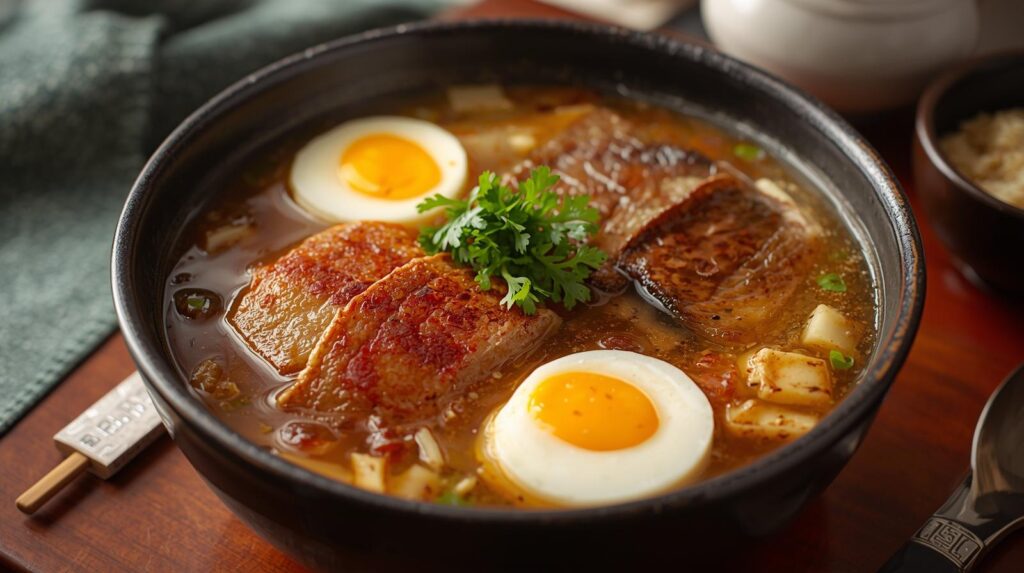

Introduction to Soutaipasu
Soutaipasu is a comforting Japanese dish that represents warmth, tradition, and seasonal nourishment. Originating from regions known for harsh winters, it has become a beloved part of Japanese culinary culture. More than just a meal, soutaipasu reflects how food can bring comfort and connection during cold and quiet months.
This dish is known for its rich flavors and simple preparation, making it both accessible and deeply satisfying. Whether enjoyed at home or in local eateries, soutaipasu continues to hold a special place in the hearts of those who experience it.
The History of Soutaipasu
The origins of soutaipasu can be traced back to Japan’s snowy northern regions, where survival during winter required hearty and warming meals. Communities in areas such as Hokkaido and Niigata developed this dish using locally available ingredients that could provide both nutrition and comfort.
Over time, soutaipasu evolved from a necessity into a cultural tradition. Families would gather around steaming bowls during long winter evenings, turning the dish into a symbol of togetherness. This historical journey has allowed soutaipasu to maintain its authenticity while adapting to modern tastes.
Ingredients That Define Soutaipasu
The beauty of soutaipasu lies in its simple yet nourishing ingredients. Each component contributes to both flavor and health, making it a balanced and wholesome dish.
Common ingredients include:
- Buckwheat or wheat-based noodles
- Seasonal vegetables such as radish and carrots
- Miso or soy-based broth
- Optional proteins like chicken, tofu, or seafood
These ingredients not only create a rich taste but also provide essential nutrients. Buckwheat, for example, supports heart health, while vegetables add vitamins and minerals that strengthen the body during colder months.
Health Benefits of Soutaipasu
Soutaipasu is not just comforting but also beneficial for overall health. Its balanced composition makes it suitable for a wide range of diets, including those focused on natural and nutrient-rich foods.
The warm broth aids digestion and helps maintain body temperature in cold weather. Vegetables provide antioxidants, while noodles supply energy needed for daily activities. When prepared with care, soutaipasu becomes a meal that supports both physical and emotional well-being.
This combination of nourishment and comfort is one of the reasons why soutaipasu remains popular across generations.
Different Variations of Soutaipasu
One of the most appealing aspects of soutaipasu is its versatility. Different regions in Japan have developed their own variations, each reflecting local ingredients and culinary preferences.
- Creamy miso-based versions in northern regions
- Soy sauce-based broths in mountainous areas
- Spicy variations with added chili oil
- Vegetarian options using plant-based broth
These variations allow people to experience soutaipasu in multiple ways while still preserving its traditional essence. Each version offers a unique taste while maintaining the core idea of warmth and comfort.
How Soutaipasu Is Prepared
Preparing soutaipasu involves simple steps that focus on enhancing natural flavors. The process usually begins with creating a flavorful broth, which serves as the foundation of the dish.
Fresh noodles are then cooked and added to the broth along with vegetables and protein. The dish is typically served hot, ensuring that it delivers maximum comfort and warmth. Attention to detail, such as balancing flavors and maintaining the right temperature, plays a key role in achieving the perfect bowl.
Even though the preparation is straightforward, the result is a deeply satisfying and flavorful meal.
Where to Experience Soutaipasu in Japan
Soutaipasu can be found across Japan, but it is especially popular in regions known for cold climates. Cities like Sapporo and Asahikawa are famous for serving authentic versions of the dish.

Local restaurants often provide unique interpretations, combining traditional recipes with modern techniques. In urban areas like Tokyo, some eateries offer creative variations that appeal to a wider audience while still honoring the dish’s roots.
Exploring these locations allows visitors to experience the diversity and richness of soutaipasu firsthand.
Cooking Soutaipasu at Home
Making soutaipasu at home can be a rewarding experience. It allows individuals to customize the dish according to their preferences while maintaining its traditional essence.
Here are some useful tips:
- Use fresh noodles for better texture
- Prepare a rich broth using quality ingredients
- Add seasonal vegetables for freshness
- Experiment with different protein options
Cooking at home also provides an opportunity to connect with the cultural aspects of the dish. It transforms a simple recipe into a meaningful experience that can be shared with family and friends.
Cultural Importance of Soutaipasu
Soutaipasu holds a special place in Japanese culture, particularly during winter. It represents comfort, resilience, and the importance of community. The act of sharing a warm meal during cold weather creates a sense of connection that goes beyond the food itself.
This cultural significance is what makes soutaipasu more than just a dish. It becomes a symbol of how traditions can bring people together and create lasting memories.
Why Soutaipasu Continues to Be Loved
The enduring popularity of soutaipasu comes from its ability to adapt while staying true to its roots. It offers a balance of tradition and innovation, allowing it to remain relevant in modern times.
People are drawn to its simplicity, warmth, and depth of flavor. It provides comfort during cold seasons and serves as a reminder of the importance of slowing down and enjoying simple pleasures.
This timeless appeal ensures that soutaipasu will continue to be appreciated for generations to come.
Conclusion
Soutaipasu is a perfect example of how food can carry history, culture, and emotion in every bowl. From its origins in snowy regions to its presence in modern kitchens, it remains a symbol of warmth and togetherness.
Whether enjoyed in a traditional setting or prepared at home, soutaipasu offers a unique experience that goes beyond taste. It invites people to connect with culture, embrace simplicity, and find comfort in every bite.
FAQs
What is soutaipasu?
Soutaipasu is a traditional Japanese noodle dish known for its warm broth and comforting qualities, especially popular during winter.
Where did soutaipasu originate?
It originated in snowy regions of Japan such as Hokkaido, where it was developed as a hearty winter meal.
What are the main ingredients in soutaipasu?
The dish typically includes noodles, broth, vegetables, and optional proteins like chicken or tofu.
Is soutaipasu healthy?
Yes, it is a balanced dish that provides nutrients, supports digestion, and helps maintain warmth in cold weather.
Can I make soutaipasu at home?
Yes, it can be easily prepared at home using fresh ingredients and a flavorful broth.