
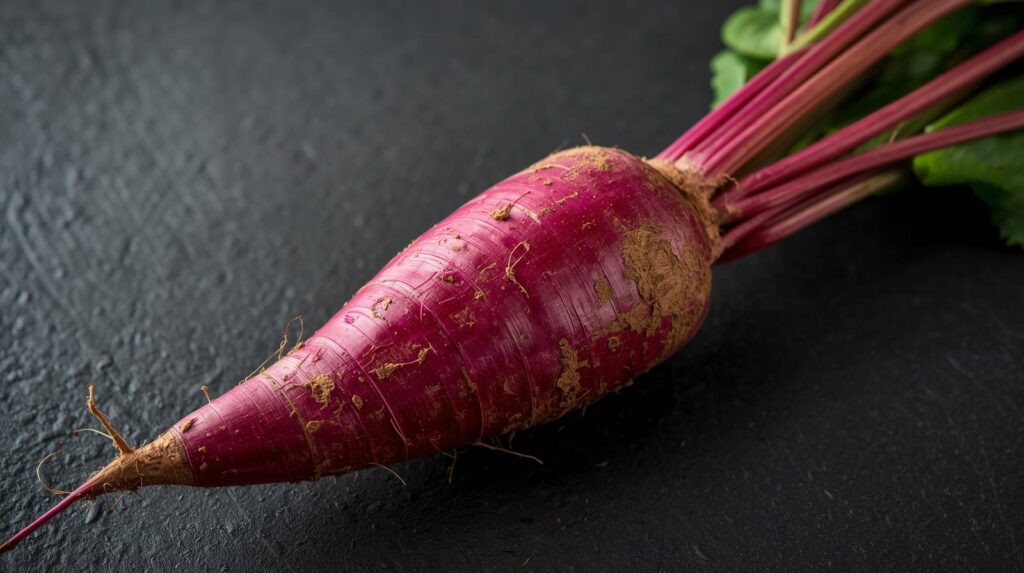

Pravi celer is a remarkable root vegetable that has quietly supported traditional European cuisine for centuries. Often overshadowed by its leafy cousin, this bulbous root offers a distinctive earthy flavor, dense nutrition, and exceptional versatility in the kitchen. While many people recognize celery for its crisp green stalks, pravi celer refers specifically to the root variety cultivated for its edible underground bulb rather than its stems.
In recent years, growing interest in wholesome, nutrient-rich foods has brought renewed attention to this powerful vegetable. With its low calorie count, high fiber content, and valuable vitamins and minerals, pravi celer has earned a reputation as both a culinary asset and a health-supporting ingredient. Understanding its origins, benefits, and uses reveals why it deserves a more prominent place in modern diets.
What Is Pravi Celer?
Pravi celer is a root vegetable derived from a specific variety of celery grown primarily for its large, knobby root. Unlike standard celery harvested for its stalks, this variety develops a firm, round bulb that grows partially above the soil surface. Beneath its rough, textured exterior lies creamy white flesh that is aromatic and mildly sweet.
Belonging to the Apiaceae family, pravi celer shares botanical connections with carrots, parsley, fennel, and parsnips. Its flavor combines subtle notes of celery, parsley, and nuttiness, creating a balanced profile that adapts well to both raw and cooked dishes. Its dense texture makes it particularly suitable for roasting, mashing, and blending into soups.
Origin and Historical Significance
The cultivation of pravi celer traces back to the Mediterranean region, where it was valued for both culinary and medicinal purposes. Ancient communities appreciated its robust flavor and potential therapeutic qualities. Over time, it spread throughout Central and Eastern Europe, becoming a staple in traditional broths, stews, and seasonal dishes.
Countries such as Germany, France, Poland, and several Balkan nations incorporated it into their regional cuisines. In French gastronomy, celery root remoulade became a classic preparation, showcasing the vegetable’s ability to shine even in simple dishes. Its enduring presence across cultures highlights its adaptability and nutritional importance.
Nutritional Profile and Key Components
One of the primary reasons pravi celer continues to gain recognition is its impressive nutrient composition. It is relatively low in calories while providing a concentrated source of essential vitamins and minerals. This makes it ideal for individuals seeking balanced nutrition without excessive caloric intake.
Key nutrients include vitamin K, vitamin C, vitamin B6, potassium, phosphorus, fiber, and antioxidants. These elements collectively support immune function, cardiovascular health, bone integrity, and digestive balance. The high fiber content promotes satiety, making it beneficial for weight management and metabolic wellness.
A 100-gram serving delivers meaningful nutrition while remaining moderate in carbohydrates, offering flexibility for various dietary approaches.
Health Benefits of Pravi Celer
The nutrient density of pravi celer contributes to a range of potential health benefits. Its fiber content plays a crucial role in supporting digestive function by encouraging regular bowel movements and maintaining beneficial gut bacteria.
Vitamin C strengthens immune defenses by supporting collagen production and reducing oxidative stress. Meanwhile, potassium helps regulate blood pressure by balancing sodium levels, which may contribute to cardiovascular stability.
Additional benefits include support for bone strength through vitamin K and antioxidant protection against chronic inflammation. By neutralizing free radicals, the vegetable may assist in reducing long-term cellular stress associated with certain chronic conditions.
Low-Carb Alternative for Modern Diets
For individuals following low-carbohydrate or ketogenic eating plans, pravi celer offers a practical substitute for starchy vegetables like potatoes. It contains fewer carbohydrates while still providing a satisfying texture and mild sweetness.
When mashed, roasted, or pureed, it closely mimics the consistency of traditional comfort foods without the same glycemic impact. This adaptability makes it a valuable ingredient for those seeking flavorful yet balanced meal options.
Culinary Versatility in the Kitchen
The culinary flexibility of pravi celer is one of its strongest attributes. Its mild yet distinctive flavor complements both simple and elaborate recipes. It can be incorporated into meals in numerous ways without overpowering other ingredients.
Raw preparations highlight its crisp texture. Grated into salads, mixed with apples and yogurt for refreshing slaws, or thinly sliced for vegetable platters, it provides a satisfying crunch. Its subtle nuttiness pairs well with citrus-based dressings and light vinaigrettes.
Cooked preparations deepen its sweetness and enhance its earthy aroma. Popular cooking methods include:
• Roasting with olive oil and herbs
• Boiling and mashing as a potato alternative
• Adding to soups and stews for depth
• Blending into creamy purees or sauces
Its ability to absorb surrounding flavors makes it ideal for hearty winter meals and comforting dishes.
Selecting and Storing Pravi Celer
Choosing high-quality pravi celer ensures optimal flavor and texture. When selecting bulbs at the market, look for firm, heavy roots with relatively smooth skin and minimal soft spots. A fresh, mild aroma indicates good quality. Smaller bulbs are often more tender and easier to prepare.
For storage, keep the root in the refrigerator inside a loosely wrapped plastic bag. It can remain fresh for up to two weeks. Once peeled, submerge it in water with a splash of lemon juice to prevent browning. Proper handling preserves both taste and nutritional value.
Growing Pravi Celer at Home
Gardening enthusiasts may find cultivating pravi celer rewarding. It thrives in cool climates and requires nutrient-rich, well-drained soil. Consistent moisture is essential to prevent splitting and promote even root development.
Seeds are typically started indoors in early spring and transplanted outdoors after the last frost. The plant requires a relatively long growing season, often around 100 to 120 days. Full sun exposure and regular compost enrichment enhance growth and flavor.
With attentive care, home gardeners can harvest substantial, aromatic roots by late summer or early autumn.
Differences Between Pravi Celer and Regular Celery
Although both vegetables belong to the same plant family, their uses differ significantly. Pravi celer is cultivated for its root, while traditional celery is harvested for its stalks. The root variety has a denser texture and nuttier flavor, making it more suitable for cooked applications.
Regular celery is frequently consumed raw as a snack or added to salads for crunch. In contrast, the root form excels in soups, purees, and roasted dishes. Each offers distinct benefits, but their culinary roles are unique.
Potential Considerations and Allergies
While generally safe for most individuals, pravi celer may cause allergic reactions in people sensitive to celery. Symptoms can include itching, swelling, or digestive discomfort. Individuals with kidney conditions should moderate intake due to its potassium content and consult a healthcare professional if necessary.
Understanding personal dietary needs ensures safe and beneficial consumption.
Why Pravi Celer Deserves Greater Recognition
Despite its extensive history and impressive nutritional value, pravi celer remains underappreciated in many regions. As awareness grows around nutrient-dense, plant-based foods, it offers an accessible and flavorful option for diverse dietary preferences.
Its capacity to replace higher-calorie ingredients, enhance dishes with subtle complexity, and deliver essential nutrients positions it as a valuable component of modern culinary practices. From professional kitchens to home cooking, it brings both tradition and innovation to the table.
Conclusion
Pravi celer stands as a nutrient-rich, versatile root vegetable with deep historical roots and modern relevance. From supporting digestive health and cardiovascular balance to serving as a low-carb substitute in comforting dishes, it provides meaningful nutritional advantages.
Whether grated raw into salads, roasted with herbs, or blended into creamy soups, pravi celer enhances meals with distinctive flavor and health-supporting properties. Incorporating it into daily cooking not only diversifies the palate but also strengthens dietary quality. As interest in wholesome, plant-based ingredients continues to expand, this remarkable root deserves renewed attention in kitchens worldwide.
Frequently Asked Questions
- What is pravi celer commonly used for?
It is used in soups, salads, purees, and as a low-carb substitute for potatoes. - Is pravi celer healthy?
Yes, it provides fiber, vitamins, minerals, and antioxidants that support overall wellness. - Can pravi celer be eaten raw?
Yes, it can be grated or thinly sliced for salads and slaws. - How long can pravi celer be stored?
It can last up to two weeks in the refrigerator when properly wrapped. - Is pravi celer suitable for low-carb diets?
Yes, it contains fewer carbohydrates than potatoes and fits well into balanced meal plans.