

Introduction
Language often contains words that carry meanings far deeper than their literal translations. One such word is piçada, a term that reflects movement, presence, and the subtle traces left behind by people or animals. Although it is commonly translated as footprint or footstep, the concept behind the word extends beyond a simple mark on the ground. It represents the act of passing through a space and the evidence of that passage.
In Portuguese-speaking cultures, piçada can describe both a physical footprint and a broader idea of movement across land or through life. Rural communities may use it to describe animal tracks, while writers and storytellers may use it symbolically to represent a person’s influence or path. This versatility gives the word a unique place in language and communication.
Understanding piçada requires exploring its linguistic roots, cultural meaning, and everyday usage. By examining how the word functions in different contexts, readers can gain a deeper appreciation for how language captures human interaction with the world.
The Meaning of Piçada in English
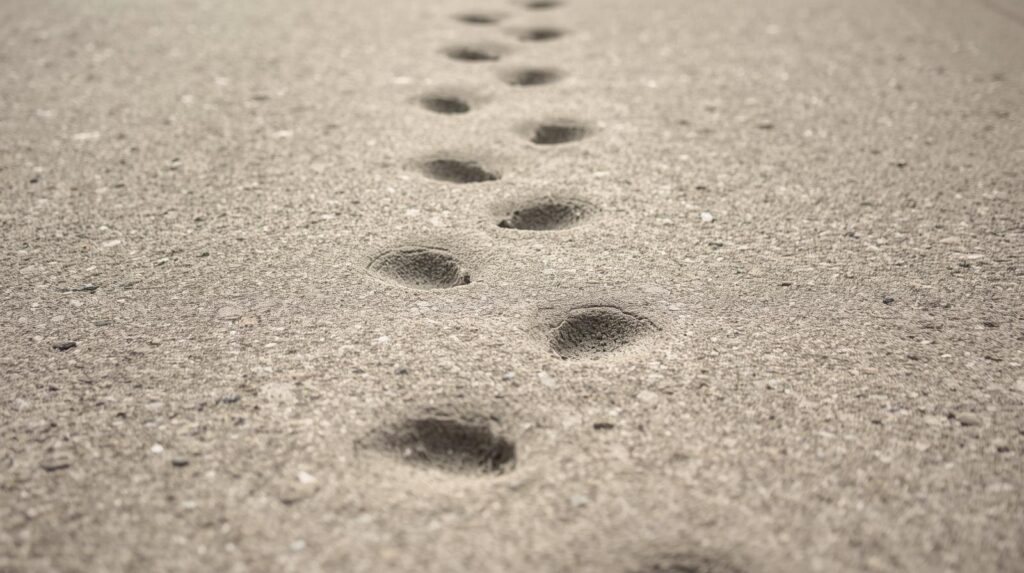
At its most basic level, piçada refers to the mark or impression left by a foot on the ground. This could be a footprint in soil, sand, mud, or grass. In many situations, it simply describes the physical result of someone stepping on a surface.
However, the meaning often goes beyond a single footprint. In certain contexts, the word can represent a series of steps that form a visible path. When footsteps repeatedly pass over the same area, they may create a trail or worn track. In this sense, the word describes both the action of walking and the physical trace left behind.
English translations such as footprint, track, trail, or step can sometimes capture part of the meaning. Yet these translations do not fully convey the cultural and descriptive nuance carried by the original term. The word reflects movement across natural landscapes and the subtle relationship between people, animals, and their environment.
Because of this broader meaning, piçada can function as both a literal and descriptive term. It captures a moment of movement while also documenting that movement in physical form.
Linguistic Origin of Piçada
The structure and meaning of many Portuguese words can be understood by examining their roots. Piçada is a good example of how verbs evolve into nouns that describe the results of an action.
Root in the Verb Pisar
The word originates from the Portuguese verb pisar, which means to step on, tread on, or press with the foot. From this action verb, the noun form developed to represent the outcome of stepping.
This transformation from verb to noun is common in Portuguese and other Romance languages. It allows a single concept to describe both the act and the visible result of that act. In this case, the step itself and the mark it leaves behind become connected through language.
Because the word is derived from an action, it naturally carries a sense of movement. It suggests that someone or something has passed through a place and left evidence of that movement.
Feminine Noun Structure
Grammatically, piçada is classified as a feminine noun in Portuguese. This means it typically appears with feminine articles and adjectives when used in sentences. Although this grammatical detail may not affect translation into English, it is important for accurate usage within the Portuguese language.
Understanding these grammatical elements helps language learners and translators maintain accuracy when interpreting the word. It also highlights how language structure influences meaning and expression.
Cultural Significance of Piçada
Beyond grammar and translation, words often reflect cultural experiences and environments. Piçada carries meaning that is closely tied to rural life, nature, and traditional observation of the land.
Piçada in Rural and Natural Settings
In agricultural or rural communities, the word is often used to describe animal tracks or human footprints in natural landscapes. Farmers may observe a piçada in the soil to determine where livestock or wildlife has passed. Hunters or trackers may also rely on footprints to follow movement through forests or fields.
In these situations, the word becomes a practical term for understanding the environment. A single footprint may indicate the direction of travel, the presence of animals, or the recent activity in an area.
Because of this connection with land and nature, the term carries an organic and earthy tone. It reflects the relationship between humans and their surroundings, emphasizing observation and awareness of the natural world.
Symbolic and Literary Meaning
In literature and storytelling, piçada often takes on symbolic meaning. Writers may use it to represent the traces people leave behind through their actions or experiences. Just as a footprint marks the ground, a person’s choices and influence can leave marks on others.
This symbolic usage appears in poetry, reflective writing, and philosophical discussions. The word may represent memory, destiny, or the path a person follows throughout life. In this sense, it becomes a metaphor for personal impact and human presence.
The symbolic dimension adds emotional depth to the word. It allows authors to express ideas about legacy, time, and the subtle marks people leave on the world.
Practical Uses in Everyday Language
Despite its poetic potential, piçada also remains a practical word in everyday communication. It is commonly used in descriptive conversations, storytelling, and regional speech.
In daily life, someone might refer to footprints left after rain or muddy marks on farmland. The word can describe signs of movement in a very literal way. People may use it when explaining where someone walked or identifying the presence of animals in a particular area.
The usage may vary depending on location. In some Portuguese-speaking regions, alternative words such as pegada may appear more frequently in casual conversation. However, piçada still retains a traditional and descriptive tone that many speakers appreciate.
Regional variation is common in languages with wide geographic distribution. Differences in vocabulary enrich communication by offering multiple ways to describe similar experiences.
Related Concepts and Language Connections
Understanding piçada becomes easier when viewed alongside related concepts. Several words and ideas are closely connected to its meaning.
Important related ideas include:
- Footprint or footstep
- Path created by repeated movement
- Track left by animals or people
- Trace of someone’s presence
- Physical evidence of motion
These related terms help explain the semantic field surrounding the word. It belongs to a group of vocabulary associated with movement and the marks left behind by that movement.
From a linguistic perspective, the concept highlights how language can describe both action and consequence simultaneously. A single word can represent the act of stepping and the visible proof that the step occurred.
Importance in Language Learning
Words like piçada are valuable examples for people learning Portuguese or studying translation. They demonstrate how meaning often goes beyond direct dictionary definitions.
For language learners, studying such words helps build a deeper understanding of cultural context. Translating vocabulary accurately requires recognizing how words function within sentences and narratives.
For translators and writers, context becomes even more important. Depending on the situation, the word might be translated as footprint, trail, trace, or step. Choosing the most appropriate translation requires careful interpretation of the surrounding text.
This flexibility shows why language learning involves more than memorizing vocabulary lists. It requires understanding nuance, context, and cultural background.
Piçada in a Modern Context
Even in an increasingly digital world, traditional words continue to evolve. The concept of piçada can be extended metaphorically to modern contexts.
For example, the idea of a footprint now appears in discussions about digital activity. Online behavior often leaves traces known as digital footprints. Although the technology is new, the metaphor still reflects the same basic idea of leaving evidence behind.
Writers and educators sometimes use the concept to explain how actions create lasting effects, both offline and online. In this way, the word maintains relevance even as communication and technology continue to change.
This adaptability demonstrates the strength of language. Words that originate in physical experiences can still describe modern realities while preserving their original meaning.
Conclusion
Piçada is a word that illustrates how language captures both physical and symbolic experiences. While it is often translated as footprint or footstep, its meaning extends into ideas of movement, presence, and the traces left behind by actions.
Rooted in the Portuguese verb pisar, the word developed into a noun that describes the mark created by stepping. Over time, it gained cultural significance in rural life, literature, and descriptive storytelling. Its usage reflects both practical observation of nature and deeper symbolic interpretations.
By understanding piçada, readers gain insight into how language expresses interaction with the environment and the lasting impressions people leave behind. Whether used literally or metaphorically, the word continues to carry meaning that resonates across contexts and generations.
FAQs
1. What does piçada mean in simple terms?
Piçada refers to a footprint or footstep, usually the mark left on the ground after someone or something steps.
2. Is piçada used metaphorically?
Yes, the word can symbolize the traces people leave through their actions or life experiences.
3. Is piçada commonly used in Portuguese?
It is used in descriptive contexts, particularly in rural or narrative speech.
4. What is the origin of piçada?
The word comes from the Portuguese verb pisar, meaning to step on or tread.
5. Can piçada describe a path or trail?
Yes, repeated footsteps can create a path, and the word may describe such a natural trail formed over time.