
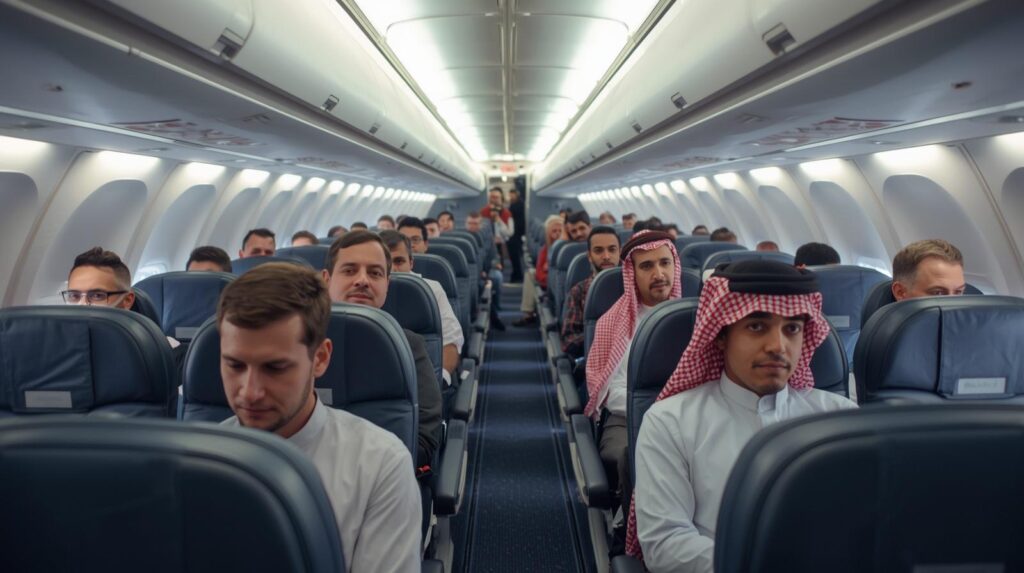

The incident of Delta Flight DL275 Diverted LAX has recently drawn attention from travelers and aviation observers alike. While flight diversions can be unexpected and inconvenient, they are a crucial part of ensuring passenger safety. This particular event highlights how modern aviation systems and trained professionals work together to handle potential risks effectively.

Delta Flight DL275 was scheduled as a long-haul international journey, but a mid-flight decision altered its course. Understanding the details behind Delta Flight DL275 Diverted LAX helps passengers appreciate the importance of safety-first protocols in aviation.
Flight Overview and Route Details
Delta Flight DL275 is a regularly scheduled international flight operated by Delta Air Lines. It typically travels from Detroit Metropolitan Wayne County Airport to Tokyo Haneda Airport, connecting the United States with Japan across the Pacific.
The aircraft used for this route is usually the Airbus A350-900, a modern wide-body jet known for its advanced safety systems and long-range capabilities. On the day of the incident, the flight departed as planned and proceeded along its normal transpacific route before the situation changed midair.
Cause Behind Delta Flight DL275 Diverted LAX
The primary reason behind Delta Flight DL275 Diverted LAX was a technical issue related to the engine anti-ice system. This system plays a critical role in preventing ice formation on engine components during high-altitude flights in cold conditions.
Although the issue did not pose an immediate danger, aviation protocols require that even minor anomalies be treated with caution. The flight crew decided to divert as a preventive measure, ensuring that the aircraft could be inspected and repaired without delay. This reflects the industry’s strict commitment to safety over convenience.
Why Los Angeles International Airport Was Chosen
Los Angeles International Airport was selected as the diversion point due to its extensive facilities and operational capabilities. As one of the largest airports in the world, it offers advanced maintenance services and experienced technical teams.
Choosing a major hub like LAX ensures that any technical issue can be addressed quickly and efficiently. Additionally, the airport provides comprehensive passenger support services, making it easier to manage disruptions caused by the diversion. This strategic decision was a key part of the Delta Flight DL275 Diverted LAX response.
Pilot Decision-Making and Safety Protocols
Pilots are trained to follow a structured approach when dealing with in-flight issues. In the case of Delta Flight DL275 Diverted LAX, the crew relied on established procedures to guide their actions.
- Maintain full control of the aircraft
- Assess the technical issue using onboard systems
- Communicate with air traffic control and airline operations
- Select the safest and most suitable airport
This systematic process ensures that decisions are made quickly and accurately. The professionalism of the flight crew played a significant role in the safe outcome of the situation.
Passenger Experience During the Diversion
Passengers onboard Delta Flight DL275 experienced an unexpected change in travel plans. However, the cabin crew worked diligently to keep everyone informed and reassured throughout the process.
Clear communication helped reduce anxiety, while attentive service ensured passenger comfort. Although delays were inevitable, the calm and organized response of the crew made the experience more manageable for those onboard Delta Flight DL275 Diverted LAX.
Safe Landing and Immediate Response
The aircraft landed safely at Los Angeles International Airport without any complications. Emergency services were on standby as a precaution, but no intervention was required.
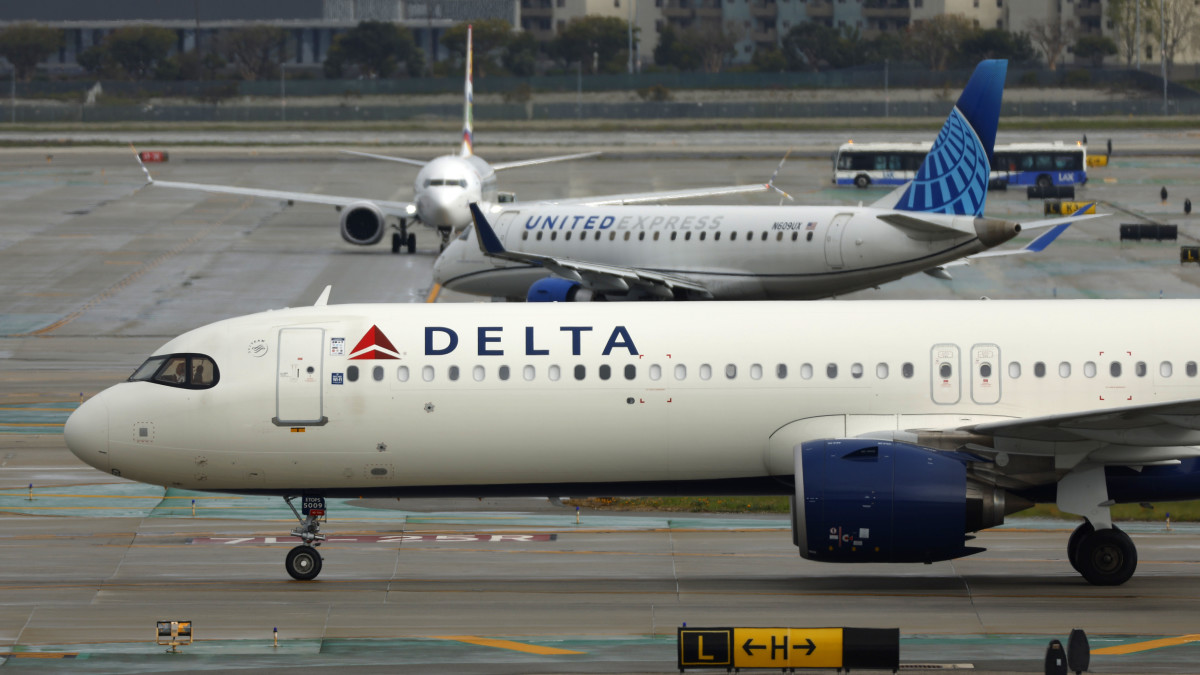
After landing, maintenance teams inspected the aircraft to address the technical issue. Passengers were assisted with rebooking, accommodations, and other necessary arrangements. The smooth handling of the situation demonstrated the effectiveness of aviation safety systems.
Importance of Flight Diversions in Aviation
Events like Delta Flight DL275 Diverted LAX highlight the importance of proactive safety measures in aviation. Diversions are not failures but essential actions taken to prevent potential risks.
Modern aircraft are equipped with advanced monitoring systems that detect even minor irregularities. By acting quickly, airlines can ensure that these issues are resolved before they escalate, maintaining the highest safety standards.
Key Lessons for Travelers
The Delta Flight DL275 Diverted LAX incident offers valuable insights for passengers:
- Safety is always the top priority in aviation
- Technical issues are addressed immediately
- Diversion airports are chosen based on capability
- Crew training ensures effective crisis management
Understanding these points can help travelers feel more confident and informed when flying, even in unexpected situations.
Broader Impact on Aviation Safety
The Delta Flight DL275 Diverted LAX event reinforces the reliability of modern aviation systems. It demonstrates how technology, training, and coordination work together to handle challenges efficiently.
Airlines continuously review such incidents to improve procedures and enhance safety measures. This ongoing process ensures that air travel remains one of the safest forms of transportation worldwide.
Conclusion
The Delta Flight DL275 Diverted LAX incident serves as a strong reminder of the aviation industry’s commitment to safety. While diversions may disrupt travel plans, they are essential for protecting passengers and crew.
By understanding the reasons and processes behind such events, travelers can gain greater confidence in the systems designed to keep them safe. Delta Flight DL275 Diverted LAX ultimately highlights the effectiveness of precautionary measures and professional decision-making in modern aviation.
FAQs
What caused Delta Flight DL275 Diverted LAX?
The diversion was caused by a technical issue with the engine anti-ice system.
Was the situation dangerous for passengers?
No, it was handled as a precautionary measure to ensure safety.
Why was LAX chosen for the diversion?
LAX offers advanced maintenance facilities and strong passenger support services.
What happens to passengers after a diversion?
Airlines provide rebooking, accommodation, and assistance as needed.
Are flight diversions common?
They are rare but necessary actions taken to maintain safety in aviation.