
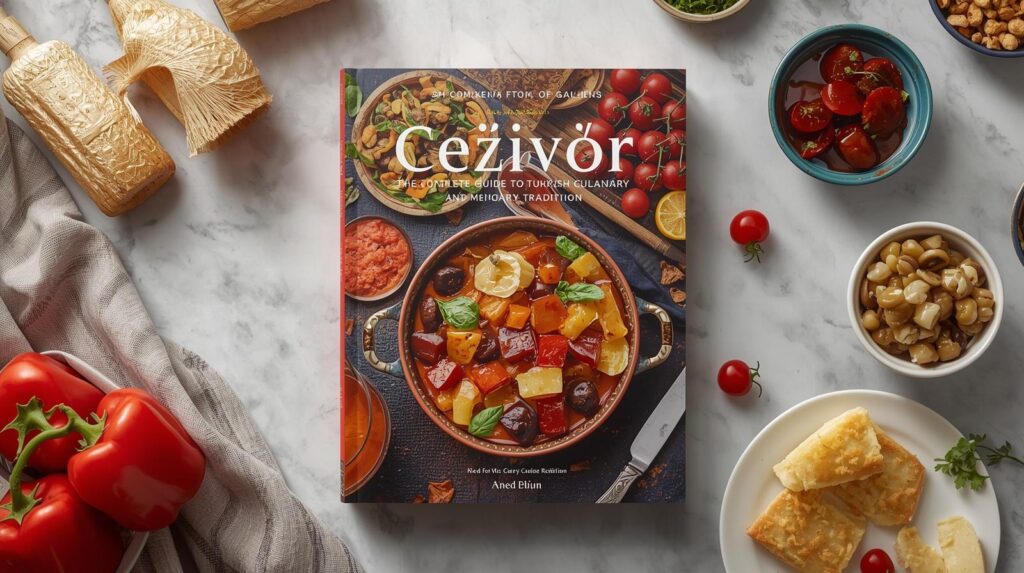

The Timeless Appeal of Ceıvır
Turkish cuisine is celebrated for its depth, diversity, and strong connection to tradition, and ceıvır stands as a remarkable example of this heritage. Known for its balanced flavors and authentic preparation, this dish reflects generations of culinary knowledge passed down through families. While many Turkish dishes have gained global recognition, ceıvır remains a lesser-known yet equally fascinating part of this rich food culture.
As global food enthusiasts continue to explore traditional meals, ceıvır is slowly gaining attention for its simplicity and depth of flavor. Its appeal lies not only in taste but also in the story it tells about regional cooking methods and the importance of fresh, quality ingredients.
Understanding the Origins of Ceıvır
The roots of ceıvır can be traced back to traditional Turkish households where meals were prepared with care and intention. Like many regional dishes, it does not have a single defined origin but instead varies across different parts of the country. Each variation reflects local ingredients and cooking traditions.
In rural communities, dishes like ceıvır were often prepared using ingredients readily available from nearby farms. This connection to local produce ensured freshness and contributed to the dish’s distinctive taste. Over time, these regional variations helped shape the identity of ceıvır as a versatile and culturally significant meal.
Key Ingredients That Define the Dish
The essence of ceıvır lies in its ingredients, which are simple yet carefully selected to create a harmonious flavor profile. The focus is always on freshness and balance, ensuring that each component complements the others.
Common ingredients include:
- Fresh seasonal vegetables
- High-quality meat or plant-based alternatives
- Traditional herbs and spices
- Olive oil or natural fats
- Aromatic seasonings for depth
These ingredients are combined thoughtfully to produce a dish that is both hearty and satisfying. The simplicity of the components allows the natural flavors to shine, making ceıvır a true representation of traditional cooking.
Traditional Preparation Methods
Preparing ceıvır involves techniques that emphasize patience and attention to detail. Rather than rushing the process, traditional methods focus on allowing flavors to develop gradually.
The cooking process typically begins with ingredient preparation, followed by careful seasoning. Slow cooking is often a key step, as it helps blend the flavors and enhances the overall taste. This method ensures that every bite carries a rich and well-rounded flavor.
Another important aspect is maintaining authenticity. Many families continue to follow age-old recipes when making ceıvır, preserving its original taste and cultural value.
Cultural Importance in Turkish Society
Food plays a central role in Turkish culture, and ceıvır is no exception. It is often associated with gatherings where families and friends come together to share meals and create memories. These occasions highlight the importance of food as a means of connection.
In many households, preparing ceıvır is more than just cooking—it is a tradition that reinforces cultural identity. Recipes are often passed down through generations, ensuring that the dish remains a part of family heritage. This cultural continuity is one of the reasons why ceıvır continues to be cherished.
Why Ceıvır Is Gaining Global Attention
In recent years, there has been a growing interest in authentic and traditional foods, leading to increased recognition of ceıvır. Travelers and food enthusiasts are constantly seeking unique culinary experiences, and this dish offers exactly that.
Several factors contribute to its rising popularity:
- Interest in traditional and regional cuisines
- Preference for fresh and natural ingredients
- Appreciation for slow-cooked meals
- Cultural storytelling through food
As people become more curious about global flavors, ceıvır is finding its place among notable traditional dishes worth exploring.
Best Ways to Serve and Enjoy
To fully appreciate ceıvır, it is important to consider how it is served. Presentation and pairing play a significant role in enhancing the overall dining experience.
It is commonly enjoyed with:
- Freshly baked bread or flatbread
- Light salads made with seasonal vegetables
- Yogurt-based accompaniments
- Simple side dishes that complement the main flavors
Serving the dish fresh and warm ensures that its flavors are at their best. The combination of textures and tastes creates a satisfying and memorable meal.
Tips for Making Ceıvır at Home
For those interested in trying ceıvır at home, following a few essential tips can help achieve authentic results. The key is to stay true to traditional methods while adapting to available ingredients.
Start by selecting high-quality ingredients, as they form the foundation of the dish. Take time to prepare and season them properly before cooking. Avoid rushing the process, as slow cooking is essential for developing rich flavors.
Experimentation can also be beneficial. While it is important to respect traditional techniques, adding a personal touch can make the experience more enjoyable and rewarding.
The Lasting Legacy of Ceıvır
The enduring appeal of ceıvır lies in its ability to bring together flavor, tradition, and cultural identity. It represents more than just a meal—it is a reflection of history and community values.
As more people discover traditional dishes from around the world, ceıvır is poised to gain even greater recognition. Its unique combination of simplicity and depth ensures that it will remain relevant for generations to come.
FAQs
What is ceıvır?
Ceıvır is a traditional Turkish dish known for its rich flavor, simple ingredients, and cultural significance.
Where does ceıvır originate from?
It originates from various regions in Turkey, with each area offering its own variation of the dish.
What makes ceıvır unique?
Its balance of fresh ingredients, traditional spices, and slow cooking methods make it stand out.
Can ceıvır be prepared at home?
Yes, it can be made at home using traditional techniques and readily available ingredients.
What is the best way to serve ceıvır?
It is best served warm with bread, salads, and complementary side dishes to enhance its flavor.