
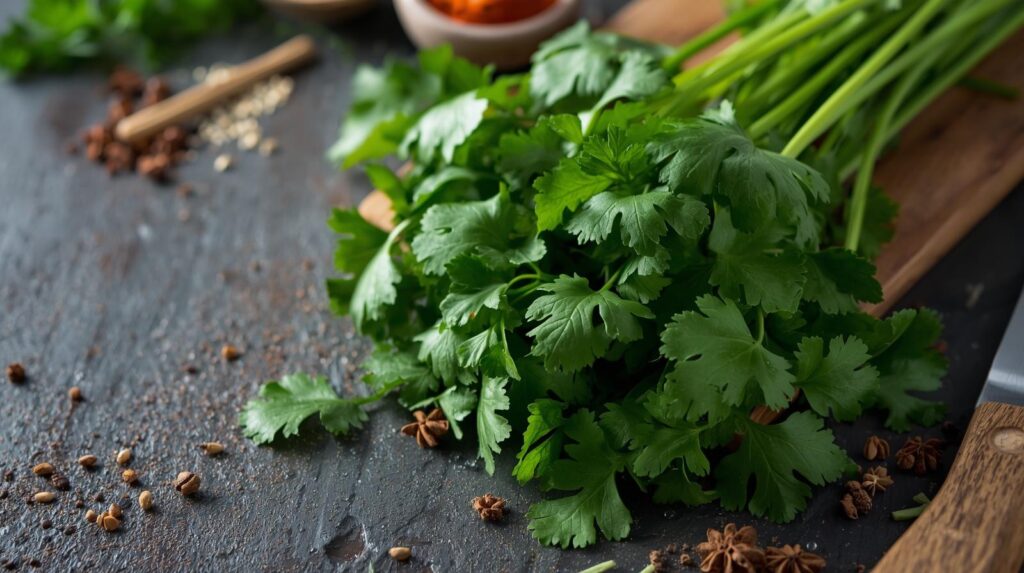

The Fresh and Flavorful World of Koriandri
Koriandri is a vibrant herb known for its refreshing aroma and distinctive taste that enhances a wide range of dishes. Commonly recognized as coriander or cilantro, this versatile ingredient has become a staple in kitchens across the globe. From simple home meals to gourmet recipes, koriandri adds a unique depth that transforms ordinary food into something memorable.
Beyond its culinary appeal, koriandri carries a rich history and cultural importance. It has been used for centuries not only as a flavor enhancer but also as a symbol of freshness and vitality in many cuisines. Today, koriandri continues to gain popularity among food enthusiasts and health-conscious individuals alike.
Understanding Koriandri and Its Unique Characteristics
Koriandri is a herb derived from the coriander plant, offering both leaves and seeds that are widely used in cooking. The leaves provide a fresh, citrusy flavor, while the seeds have a warm, slightly nutty taste. This dual nature makes koriandri an incredibly versatile ingredient.
Its ability to blend with a variety of flavors is one of its most notable qualities. Whether used in spicy dishes, fresh salads, or savory sauces, koriandri adapts seamlessly. This flexibility allows it to play both a supporting and a starring role in countless recipes.
Culinary Uses of Koriandri
The culinary potential of koriandri is vast, making it a favorite among chefs and home cooks. Its fresh leaves are often used as a garnish, but they also serve as a key ingredient in many traditional and modern dishes.
In everyday cooking, koriandri can be used in:
- Salads and fresh vegetable mixes
- Soups and hearty stews
- Salsas, chutneys, and dips
- Rice, grain, and pasta dishes
- Marinades and sauces
Adding koriandri at the right stage of cooking enhances both aroma and taste. It is often best used fresh to preserve its vibrant flavor, especially when sprinkled just before serving.
Health Benefits of Koriandri
Koriandri is not only flavorful but also packed with nutrients that support overall health. It contains essential vitamins such as vitamin C and vitamin K, which contribute to immune strength and bone health.
The herb is also rich in antioxidants that help reduce oxidative stress in the body. These properties make koriandri beneficial for maintaining long-term wellness. Additionally, it is known for supporting digestion and soothing stomach discomfort.
Another notable advantage is its natural antimicrobial properties, which can help protect the body from certain infections. Including koriandri in daily meals is a simple way to enhance both flavor and nutrition.
Growing Koriandri at Home
Growing koriandri at home is a rewarding experience that allows you to enjoy fresh herbs whenever needed. It is relatively easy to cultivate, making it suitable even for beginners.
To grow koriandri successfully:
- Choose a sunny location with good airflow
- Use well-drained soil for optimal growth
- Water regularly without overwatering
- Harvest leaves frequently to encourage growth
Koriandri thrives in moderate temperatures and can be grown in gardens or containers. With proper care, it provides a continuous supply of fresh leaves for culinary use.
Proper Storage Techniques for Koriandri
Storing koriandri correctly is essential to maintain its freshness and flavor. After harvesting or purchasing, it should be handled with care to extend its shelf life.
For short-term storage, washing and drying the leaves before placing them in an airtight container in the refrigerator is effective. For longer preservation, freezing koriandri in small portions can help retain its quality.
Proper storage ensures that koriandri remains vibrant and ready to enhance your dishes whenever needed.
Creative Ways to Use Koriandri in Cooking
Experimenting with koriandri can lead to exciting and innovative dishes. Its unique flavor makes it suitable for both traditional recipes and modern culinary creations.
You can incorporate koriandri in creative ways such as:
- Blending it into smoothies for a fresh twist
- Mixing it into dressings and sauces
- Using it in flavored oils or butters
- Adding it to baked goods for subtle flavor
- Creating herb-based spreads and dips
These approaches allow you to explore new dimensions of taste while making the most of koriandri’s versatility.
Popular Recipes Featuring Koriandri
Koriandri plays a central role in many popular recipes around the world. Its presence enhances both flavor and presentation, making dishes more appealing.
Some well-loved options include koriandri chutney, herb-infused rice, and fresh salads topped with chopped leaves. It is also widely used in sauces and marinades, where it adds depth and complexity.
These recipes demonstrate how koriandri can elevate everyday meals into flavorful culinary experiences.
Cultural Importance of Koriandri
Koriandri holds significant cultural value in many regions, symbolizing freshness and tradition. It is widely used in cuisines from Asia, Latin America, and the Middle East, where it plays a key role in defining flavors.
In many cultures, koriandri is more than just an ingredient—it represents heritage and community. Its use in traditional dishes connects generations and preserves culinary traditions.
This cultural significance adds another layer of appreciation for koriandri, making it an essential part of global cuisine.
The Lasting Appeal of Koriandri
The enduring popularity of koriandri lies in its ability to combine flavor, health benefits, and cultural richness. It is a simple yet powerful ingredient that enhances both taste and nutrition.
As more people explore global cuisines and healthy eating habits, koriandri continues to stand out as a valuable addition to any kitchen. Its versatility ensures that it remains relevant in both traditional and modern cooking.
FAQs
What is koriandri?
Koriandri is a herb also known as coriander or cilantro, widely used for its fresh flavor and aroma in cooking.
What are the health benefits of koriandri?
It supports digestion, boosts immunity, and provides antioxidants that promote overall health.
Can koriandri be grown at home?
Yes, it is easy to grow at home with proper sunlight, watering, and soil conditions.
How is koriandri used in cooking?
It is used in salads, soups, sauces, and as a garnish to enhance flavor and presentation.
Why is koriandri popular worldwide?
Its versatility, health benefits, and cultural significance make it a favorite in many global cuisines.