
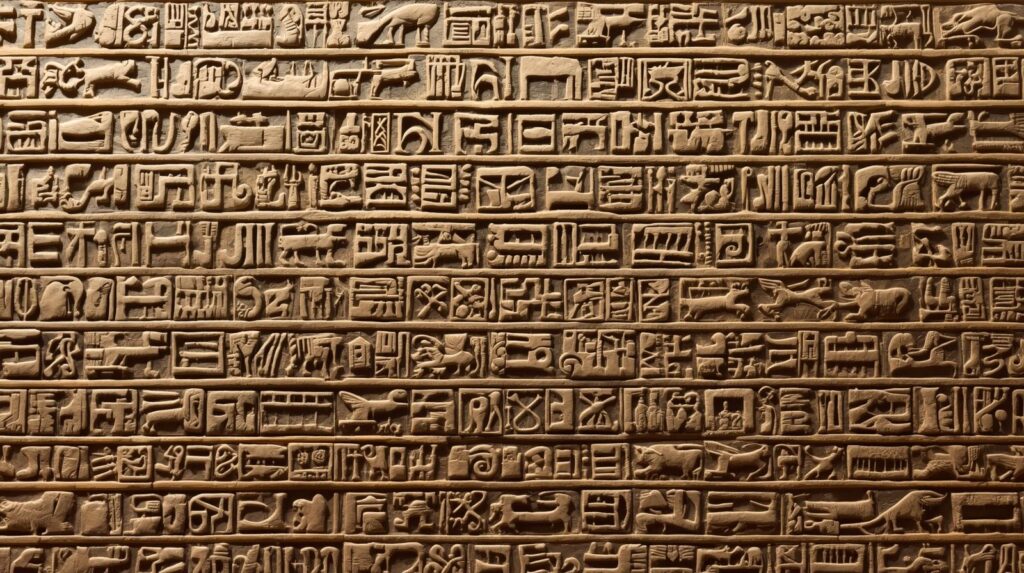

The Powerful Essence of Çbiri
Çbiri is a fascinating concept that has captured attention across cultures, art forms, and literary traditions. It represents more than just a motif; it embodies a deep connection between human emotions, cultural identity, and creative expression. Throughout history, çbiri has served as a meaningful symbol, offering insight into both individual and collective experiences.
Its enduring relevance lies in its adaptability. From ancient artistic representations to modern interpretations, çbiri continues to inspire creators and thinkers alike. As global audiences become more interested in symbolic and cultural narratives, çbiri stands out as a powerful example of how tradition can remain meaningful in a changing world.
Historical Roots and Evolution of Çbiri
The origins of çbiri date back to ancient civilizations where symbols played a crucial role in communication and storytelling. Early representations were often found in artifacts such as pottery, carvings, and decorative art. These forms reflected the beliefs, values, and spiritual perspectives of the societies that created them.
As time progressed, the meaning of çbiri evolved significantly. It began to take on broader interpretations, moving beyond its original associations with nature and spirituality. Communities started to view çbiri as a symbol of emotional depth and human connection, making it an essential part of cultural narratives.
Different regions embraced çbiri in unique ways, incorporating it into their traditions while maintaining its core essence. This evolution highlights its versatility and explains why it remains relevant across generations.
Cultural Symbolism and Deeper Meaning
Çbiri carries profound symbolic value, often representing unity, resilience, and the connection between past and present. In many cultures, it is seen as a bridge that links traditions with contemporary life, allowing people to stay connected to their heritage while embracing change.
The meaning of çbiri can vary depending on the cultural context. In some traditions, it symbolizes strength during adversity, while in others, it represents harmony within communities. These diverse interpretations enrich its significance and make it a versatile cultural element.
Artists and thinkers frequently use çbiri as a lens through which they explore themes such as identity, belonging, and transformation. Its layered symbolism encourages reflection and invites audiences to engage with deeper philosophical ideas.
Çbiri in Traditional Art Forms
Traditional art has long been a medium for expressing cultural values, and çbiri has played a significant role in this expression. It appears in various forms, including textiles, ceramics, and murals, each reflecting the unique artistic style of a region.
In many communities, the depiction of çbiri in art is closely tied to storytelling. Patterns and designs often carry meanings that have been passed down through generations, preserving cultural narratives and traditions. This artistic continuity ensures that the essence of çbiri remains alive.
Sculptors and craftsmen have also incorporated çbiri into functional objects such as furniture and jewelry. These creations blend beauty with purpose, demonstrating how art and daily life can intersect through meaningful symbols.
Literary Interpretations of Çbiri
Çbiri has made a significant impact on literature, where it is often used as a symbolic element to enhance storytelling. Writers across different eras have drawn inspiration from its rich meanings, using it to explore complex emotional and cultural themes.
In classical literature, çbiri often appears as a metaphor for personal journeys and inner struggles. Characters may encounter it as a symbol of hope, identity, or transformation, adding depth to the narrative. This use of symbolism allows readers to connect with the story on a more meaningful level.
Modern literature continues to embrace çbiri, reinterpreting it in ways that reflect contemporary issues. Authors use it to address themes such as cultural identity, social change, and personal growth, ensuring its continued relevance in today’s literary landscape.
Modern Adaptations and Creative Expressions
In contemporary art and design, çbiri has taken on new forms that reflect modern aesthetics and ideas. Artists are experimenting with innovative techniques and mediums, incorporating this traditional symbol into digital art, installations, and multimedia projects.
These modern adaptations often blend traditional elements with contemporary perspectives. By doing so, creators are able to connect with new audiences while preserving the cultural significance of çbiri. This fusion of old and new highlights the dynamic nature of artistic expression.
Fashion and design industries have also embraced çbiri, incorporating its patterns and symbolism into clothing and accessories. This approach not only celebrates cultural heritage but also makes it accessible to a wider audience.
Influence of Çbiri in Contemporary Culture
The influence of çbiri extends beyond art and literature into broader cultural discussions. It serves as a symbol that encourages dialogue about identity, heritage, and the role of tradition in modern society.
Today, çbiri is often used to explore themes of globalization and cultural exchange. As people interact with different cultures, symbols like çbiri help create connections and foster understanding. This makes it an important element in promoting cultural awareness.
Its presence in contemporary works demonstrates its enduring appeal. By continuing to inspire new interpretations, çbiri remains a vital part of the creative world, bridging the gap between history and innovation.
Key Characteristics of Çbiri
To better understand çbiri, it is helpful to consider its defining features:
- Rich symbolic meaning across cultures
- Strong connection to tradition and heritage
- Adaptability in various art forms
- Presence in both historical and modern contexts
- Ability to convey complex emotional themes
These characteristics highlight why çbiri continues to captivate audiences and creators alike.
The Enduring Legacy of Çbiri
The lasting significance of çbiri lies in its ability to evolve while maintaining its core identity. It is a symbol that transcends time, offering insights into both historical traditions and modern perspectives.
As more people explore cultural and artistic expressions, çbiri is likely to gain even greater recognition. Its depth and versatility make it a powerful tool for storytelling and creative exploration.
Ultimately, çbiri represents the enduring connection between humanity and creativity. It reminds us that symbols can carry meaning far beyond their physical form, shaping how we understand ourselves and the world around us.
FAQs
What is çbiri?
Çbiri is a symbolic motif found in art and literature, representing cultural identity, emotion, and connection.
Where did çbiri originate?
It originated in ancient civilizations and evolved across different cultures over time.
What does çbiri symbolize?
It commonly symbolizes unity, resilience, and the relationship between tradition and modernity.
How is çbiri used in art?
It appears in textiles, ceramics, sculptures, and modern digital art as a meaningful design element.
Why is çbiri important today?
It remains relevant because it helps explore themes of identity, culture, and creative expression in contemporary society.