

Introduction
Education systems around the world are evolving as educators search for more effective ways to engage students and improve learning outcomes. One concept that is gaining attention in modern teaching discussions is galoble. This approach represents a shift away from passive learning toward a more interactive and inclusive classroom environment.
Traditional teaching methods often focus on lectures and memorization, leaving limited room for creativity or student participation. Galoble introduces a different philosophy where students become active participants in the learning process. Instead of simply listening to information, they explore ideas through collaboration, discussion, and hands-on activities. This shift allows learners to develop a deeper understanding of subjects while building essential life skills.
As schools adapt to the needs of modern learners, galoble is emerging as a powerful framework that encourages engagement, communication, and critical thinking.
What Is Galoble?
Galoble is a student-centered educational approach designed to encourage participation, collaboration, and active learning. Rather than placing the teacher at the center of the classroom, this method emphasizes the role of students as contributors to the learning process.
In this environment, teachers act more as guides than traditional lecturers. They facilitate discussions, encourage exploration, and support students as they develop their own understanding of academic topics. Lessons often include group activities, collaborative projects, and open discussions that allow students to express ideas and learn from one another.
The main characteristics of galoble include:
- Interactive classroom discussions
- Collaborative group activities
- Student-driven exploration of topics
- Real-world connections in lessons
- Equal opportunities for participation
These elements transform the classroom into a dynamic environment where learning becomes engaging and meaningful.
Why Galoble Matters in Modern Education
Many traditional classrooms still rely heavily on lectures and standardized testing. While these methods can deliver information efficiently, they often fail to fully engage students or address different learning styles.
Galoble offers a solution by promoting active participation. When students contribute to discussions and collaborate with peers, they develop a deeper understanding of the subject matter. This approach also strengthens important social and communication skills that are essential for success beyond the classroom.
Another important reason for the growing interest in galoble is the changing nature of modern careers. Employers increasingly value skills such as teamwork, creativity, and problem-solving. By encouraging these abilities early in the educational journey, classrooms that apply galoble principles help students prepare for real-world challenges.
Education today must go beyond memorizing facts. It must inspire curiosity, confidence, and lifelong learning habits.
Core Principles Behind Galoble
The success of galoble is rooted in several core educational principles that focus on engagement, inclusivity, and adaptability.
Active participation is one of the most important aspects of this approach. Students are encouraged to ask questions, share ideas, and collaborate with classmates. Learning becomes a shared experience rather than a one-way transfer of information.
Inclusivity is another key principle. Every student has unique strengths, interests, and learning styles. Galoble supports this diversity by offering different ways to engage with material, whether through discussions, visual tools, or hands-on projects.
Another important concept is collaboration over competition. While healthy competition can motivate students, excessive focus on grades and rankings may discourage cooperation. Galoble emphasizes teamwork and collective problem-solving, creating an environment where students support one another.
These principles make classrooms more welcoming and effective learning spaces.
How a Galoble Classroom Looks
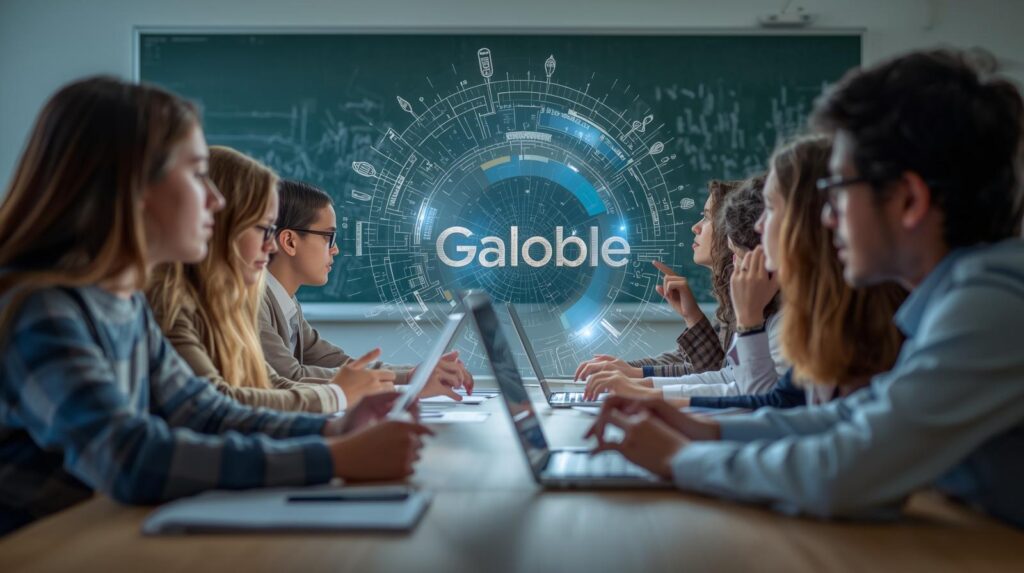
A classroom designed around galoble principles often looks different from traditional lecture-based settings. Instead of rows of desks facing a teacher’s podium, the layout encourages interaction and group work.
Students may sit in clusters or circles that allow them to communicate easily. Teachers move around the room to guide discussions rather than remaining in one fixed position. This physical arrangement supports the collaborative nature of the learning process.
Several features commonly found in such classrooms include:
- Group tables for teamwork
- Whiteboards for brainstorming ideas
- Space for project-based activities
- Flexible seating arrangements
- Materials for creative assignments
These elements help create an atmosphere that encourages exploration and participation.
Inclusive Learning Through Galoble
One of the greatest strengths of galoble is its ability to support diverse learning styles. Every classroom contains students who process information in different ways, and a single teaching method may not work for everyone.
To address this diversity, teachers may combine multiple strategies within a single lesson. Visual learners may benefit from diagrams or videos, while others may prefer discussions or hands-on activities. By offering various learning pathways, galoble ensures that every student has an opportunity to succeed.
In addition, group collaboration allows students to learn from one another. A student who understands a concept well can explain it to peers, reinforcing their own knowledge while helping others. This shared learning experience builds empathy and teamwork skills.
Such inclusivity makes education more equitable and supportive.
Technology and the Galoble Approach
Technology can play a supportive role in classrooms that follow galoble principles. Digital tools can enhance collaboration, research, and creativity when used thoughtfully.
For example, students may use tablets or laptops to gather information for projects, create digital presentations, or participate in shared online documents. These tools allow teams to collaborate more efficiently and explore topics in greater depth.
However, technology in galoble classrooms is not meant to replace human interaction. The emphasis remains on communication, discussion, and critical thinking. Digital resources simply provide additional opportunities for exploration and creativity.
Balancing technology with meaningful interaction ensures that students remain actively engaged in learning.
Benefits of Galoble for Students
Students often experience significant benefits when learning takes place in an interactive environment. Active participation encourages deeper understanding and makes lessons more memorable.
When students collaborate on projects and discussions, they also develop important interpersonal skills. These experiences help build confidence and improve communication abilities, which are valuable in both academic and professional settings.
Some key advantages include:
- Greater engagement in classroom activities
- Stronger understanding of academic concepts
- Improved speaking and listening skills
- Increased confidence in sharing ideas
- Enhanced teamwork and cooperation
- Better problem-solving abilities
These benefits show why galoble is gaining attention among educators seeking more effective teaching strategies.
Benefits of Galoble for Teachers
Teachers also gain advantages when they adopt interactive learning methods. Instead of delivering long lectures, they guide dynamic classroom discussions and support students as they explore ideas.
This approach often leads to higher levels of student participation. When learners are engaged and motivated, classroom management becomes easier and lessons feel more rewarding for both teachers and students.
Another benefit is flexibility. Teachers can adapt lessons based on student feedback and interests, making learning more relevant and personalized. This adaptability helps educators respond to the changing needs of their classrooms.
Over time, many teachers find that the collaborative nature of galoble creates a more positive and productive learning environment.
Developing Real-World Skills Through Galoble
Education should prepare students not only for exams but also for life beyond school. Galoble supports this goal by encouraging skills that are essential in modern workplaces and communities.
Students who participate in collaborative learning activities gain experience in communication, leadership, and teamwork. These abilities are increasingly valued in professional environments where cooperation and innovation are critical.
Important skills developed through this approach include:
- Communication and presentation abilities
- Critical thinking and analysis
- Creative problem solving
- Leadership and responsibility
- Collaboration with diverse groups
By practicing these skills in the classroom, students become better prepared for future academic and career opportunities.
Challenges When Implementing Galoble
Although galoble offers many advantages, implementing it can present challenges for some schools. Teachers who are accustomed to traditional lecture methods may need time to adjust to a more interactive teaching style.
Students may also need an adjustment period. Learners who are used to passive listening may initially feel uncertain about participating in discussions or group activities.
Other potential challenges include classroom space limitations and the need for professional development programs that help teachers learn new strategies. However, these obstacles can often be overcome with gradual implementation and supportive training.
With patience and practice, schools can successfully integrate galoble into their teaching methods.
The Future of Galoble in Education
As education systems continue to evolve, interactive and student-centered learning models are becoming increasingly important. The demands of the modern world require students who can think critically, collaborate effectively, and adapt to new situations.
Galoble represents a promising direction for the future of education. By placing students at the center of the learning experience, it encourages curiosity, creativity, and confidence. These qualities help learners become active participants in their own education rather than passive recipients of information.
As more educators explore innovative teaching strategies, galoble may play a significant role in shaping the classrooms of tomorrow.
Conclusion
The concept of galoble highlights an important transformation in modern education. By focusing on interaction, collaboration, and inclusivity, this approach creates a classroom environment where students feel engaged and empowered.
Instead of relying solely on lectures and memorization, galoble encourages active participation and meaningful learning experiences. Students develop academic knowledge alongside valuable life skills such as communication, teamwork, and problem-solving.
As schools seek better ways to prepare students for the future, the principles behind galoble offer a powerful framework for building more dynamic, inclusive, and effective learning environments.
FAQs
What is galoble in simple terms?
Galoble is a teaching approach that focuses on active participation, collaboration, and student-centered learning.
Does galoble require advanced technology?
No, the method can be implemented with simple classroom changes such as discussions, group work, and interactive activities.
Is galoble suitable for all grade levels?
Yes, the approach can be adapted for elementary, middle, and high school classrooms.
How does galoble benefit students?
It improves engagement, builds communication skills, and encourages deeper understanding of academic subjects.
Can teachers adopt galoble gradually?
Yes, educators can introduce small interactive activities first and expand the approach over time.